
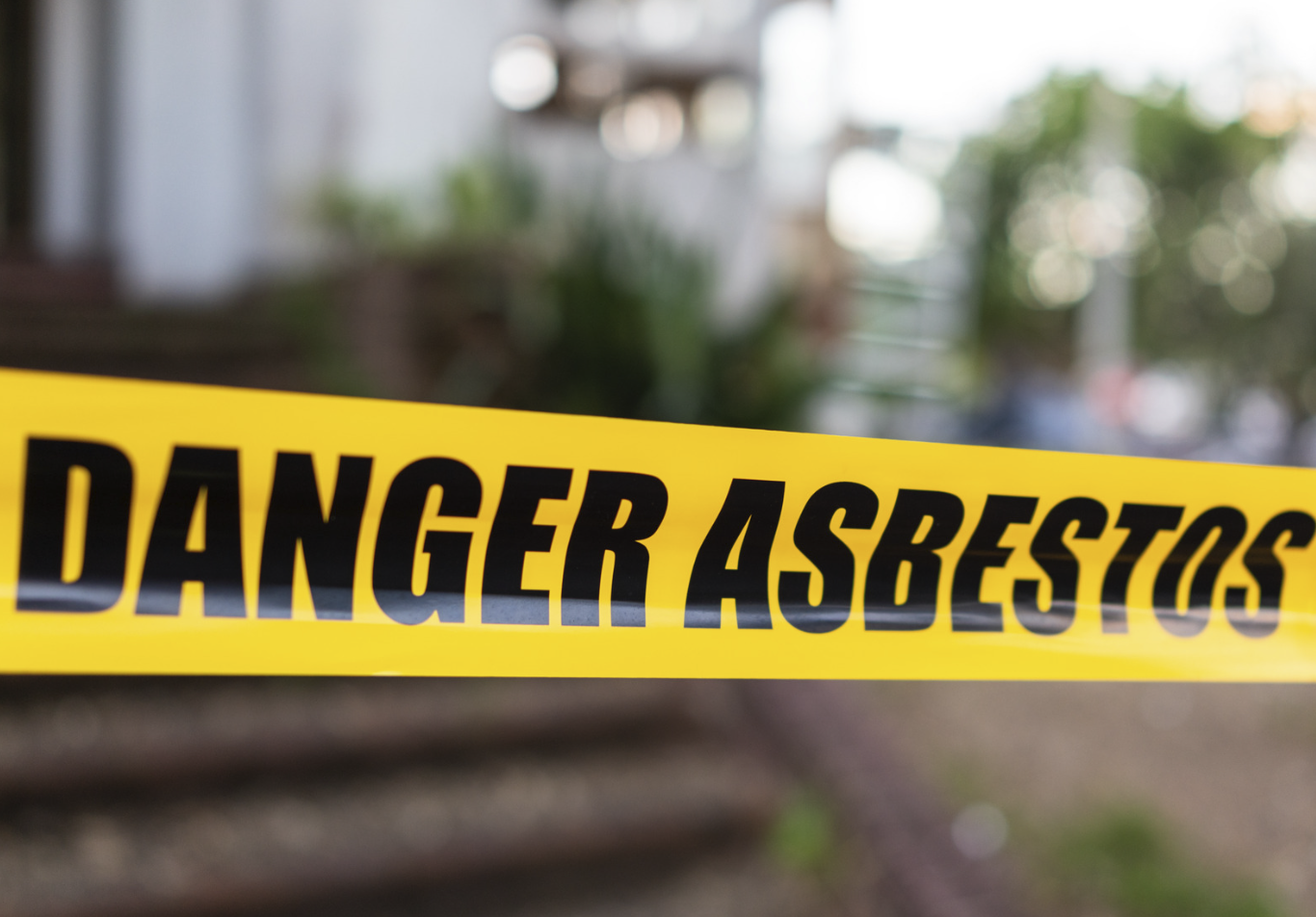
A renovation about to cut into a pre-1980 ceiling, a demolition notification about to be filed with Washington State Department of Labor and Industries, a buyer's concern about a 1960s home, a school compliance cycle under AHERA. These are the situations that bring homeowners, property owners, contractors, and school facility managers to the phone. Enviro Consulting Services provides EPA AHERA-certified asbestos inspection in Spokane, WA for residential, commercial, industrial, and school buildings.
Inspection and testing only. We do not perform asbestos removal, abatement, or disposal. When a licensed abatement contractor is required, you retain one separately. That separation keeps our inspection and lab results independent.
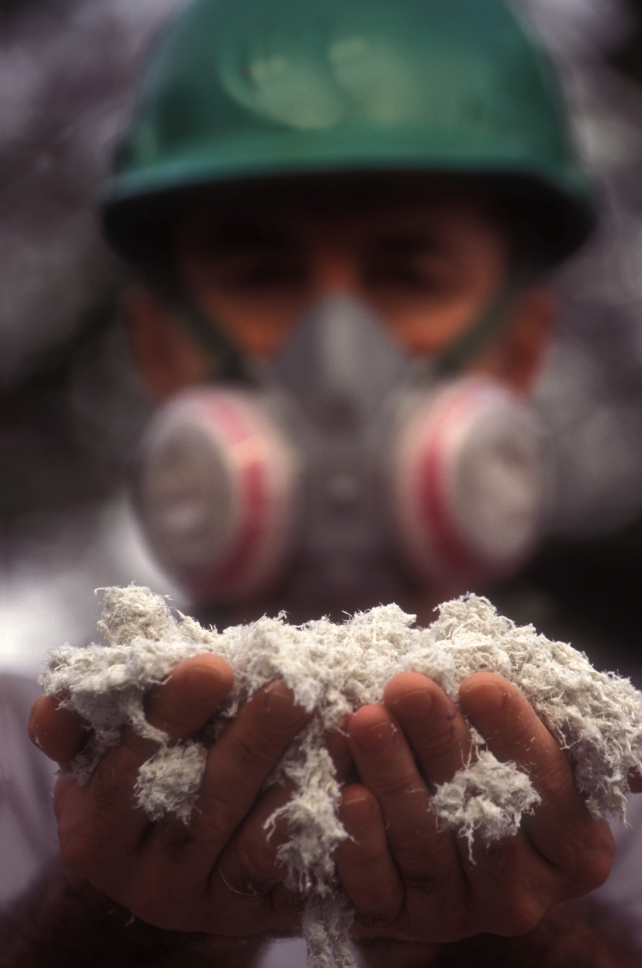
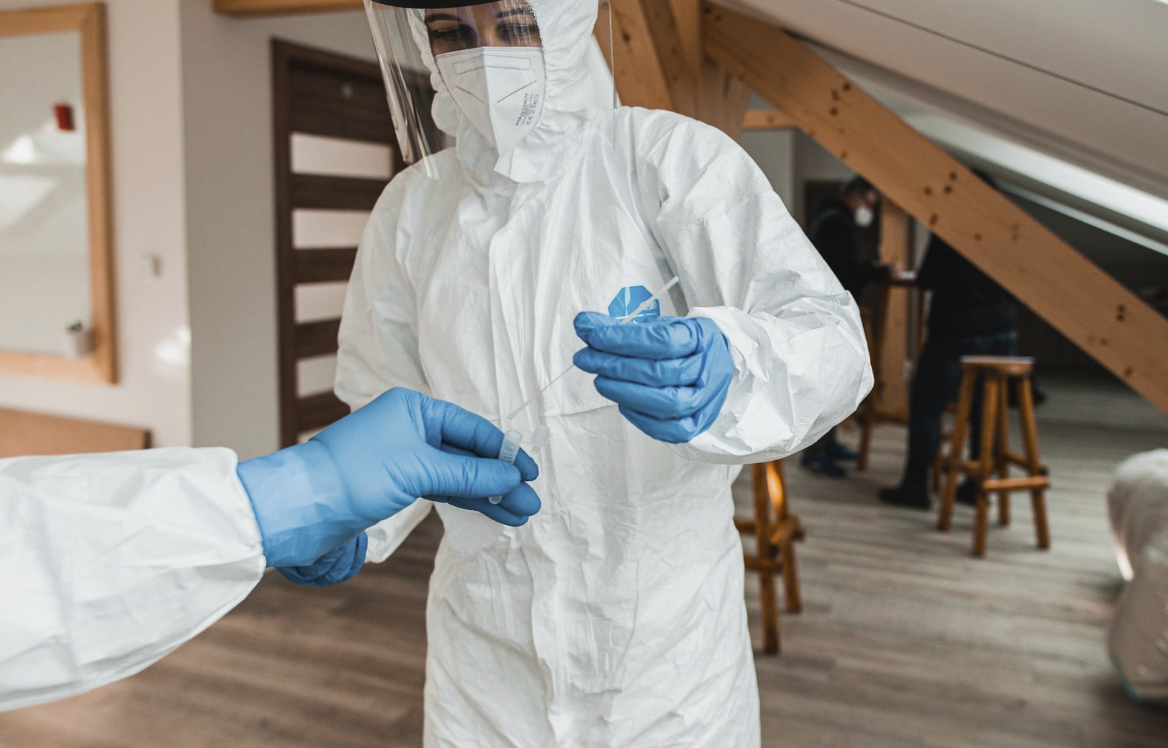
An asbestos inspection is a systematic visual survey focused on suspect asbestos-containing materials. The inspector walks the building, identifies suspect materials, collects representative samples for laboratory analysis, and produces a written report.
Insulation (vermiculite attic insulation, pipe wrap, thermal system insulation), ceilings (popcorn/acoustic texture), flooring (9x9 and 12x12 vinyl tile, floor tile mastic, sheet linoleum backing), walls (joint compound, texture sprays), exterior (cement siding, built-up roofing felts, Transite), HVAC (duct tape wraps, gaskets), and kitchen/bath (backer boards, caulks, adhesives).
Commercial buildings often have additional suspect materials: sprayed-on fireproofing, thermal system insulation on boilers and large pipes, vinyl floor coverings, ceiling tiles, exterior transite panels, roofing felts, and fire door cores.
The Asbestos Hazard Emergency Response Act requires schools to maintain asbestos management plans, perform periodic re-inspections, and document asbestos-containing materials in building materials. We provide the inspection and documentation scopes required by AHERA.
Washington State regulations require a pre-demolition asbestos survey before structures are demolished. Renovation projects that will disturb suspect materials typically require a survey as well. We produce reports formatted for the WA Department of Labor and Industries and for renovation contractor use.
An asbestos inspection is a systematic visual survey focused on suspect asbestos-containing materials. The inspector walks the building, identifies suspect materials, collects representative samples for laboratory analysis, and produces a written report.
Any project that will cut, sand, or demolish material in a pre-1980 building warrants inspection before work begins. Testing the material before disturbance is the cheapest insurance policy an older-building owner can buy.
Washington State Department of Labor and Industries requires a pre-demolition asbestos survey before most structures are demolished. The survey documents the presence or absence of asbestos-containing materials and supports the demolition notification process.
Buyers of pre-1980 residential or commercial properties often scope an asbestos inspection during the inspection contingency window. Documented results protect the buyer and provide a baseline for future renovation planning.
Public and private schools with asbestos-containing materials are required to maintain management plans and perform periodic re-inspections under AHERA. We provide the inspection, sampling, and documentation scopes required.
A broken floor tile, a damaged pipe wrap, a renovation project that started before anyone thought to ask: if suspect material has been disturbed, an inspection documents the situation and informs next steps.
Farren I. Hauck and Paul VanMiddlesworth both hold EPA AHERA Certified Asbestos Building Inspector credentials. That credential is specifically required for compliance work on schools and is the federal standard for asbestos building inspection in any setting.
We are a science and reporting firm. We identify, sample, and document suspect asbestos-containing materials. We do not perform asbestos removal, abatement, or disposal. When abatement is required, you hire a licensed abatement contractor separately. That separation keeps our inspection findings independent.
Samples go to accredited laboratories for analysis using Polarized Light Microscopy (PLM), the standard method for bulk asbestos identification. Lab results are the definitive confirmation; visual inspection can identify suspect materials, but only the lab can confirm them.
The written report is formatted for the audience that needs it: the Washington State Department of Labor and Industries, a renovation or demolition contractor, a licensed abatement contractor, a lender, or a buyer's agent. No translation required.
Predictable, transparent, and designed for people trying to make a decision with real money on the line.
"The rule of thumb most inspectors use is 1980. If the building predates 1980, assume it could contain asbestos until a lab says otherwise."
Plain-language answers to what property owners, buyers, and stakeholders ask most often before scheduling a environmental consulting.
Call a credentialed scientist directly. No call center, no sales pressure.
Our work spans residential, commercial, and development projects. Each audience has a different reason for calling, and each gets the same credentialed inspection and the same clear written report.