
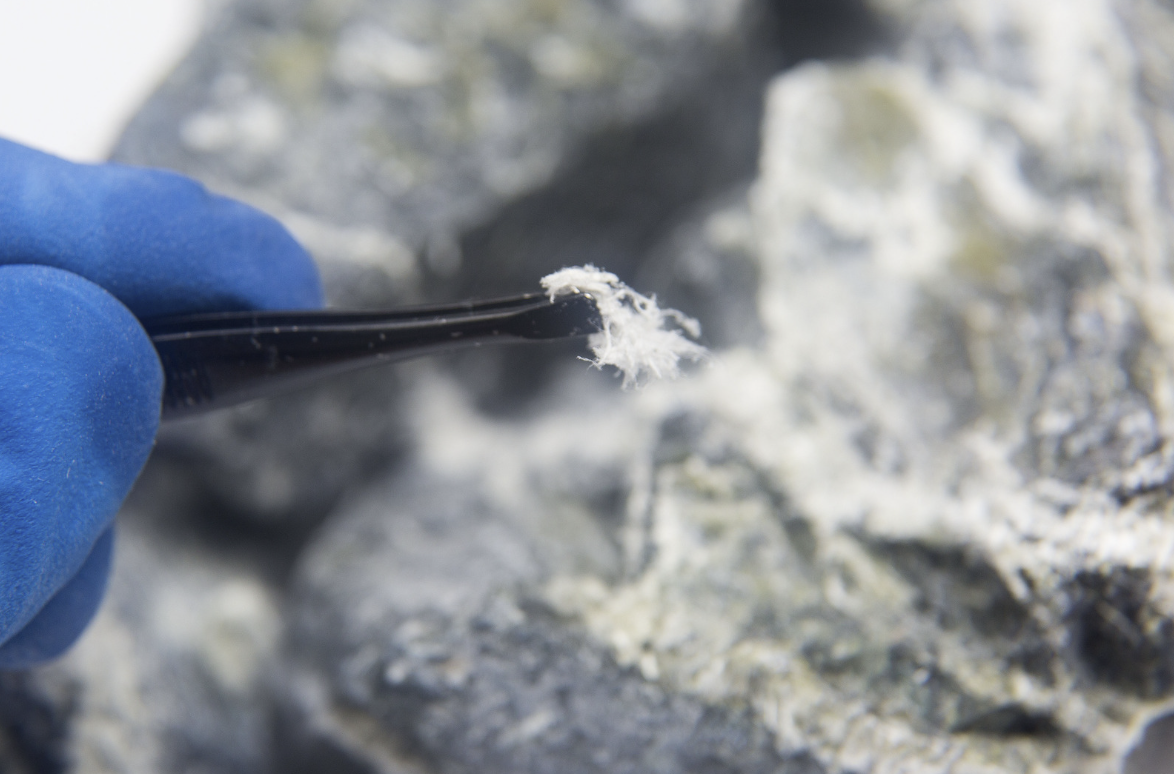
Asbestos testing is the laboratory analysis side of asbestos work. You cannot tell by looking whether a material contains asbestos; only lab analysis confirms or rules out asbestos-containing material. Enviro Consulting Services provides asbestos testing in Spokane, WA with sample collection by an EPA AHERA Certified inspector, chain of custody documented, and analysis performed by accredited laboratories using Polarized Light Microscopy (PLM) or, when required, Transmission Electron Microscopy (TEM).Testing only. We do not perform asbestos removal, abatement, or disposal.
Keeping testing independent from abatement is what makes the lab results credible for regulators, lenders, insurers, and attorneys.
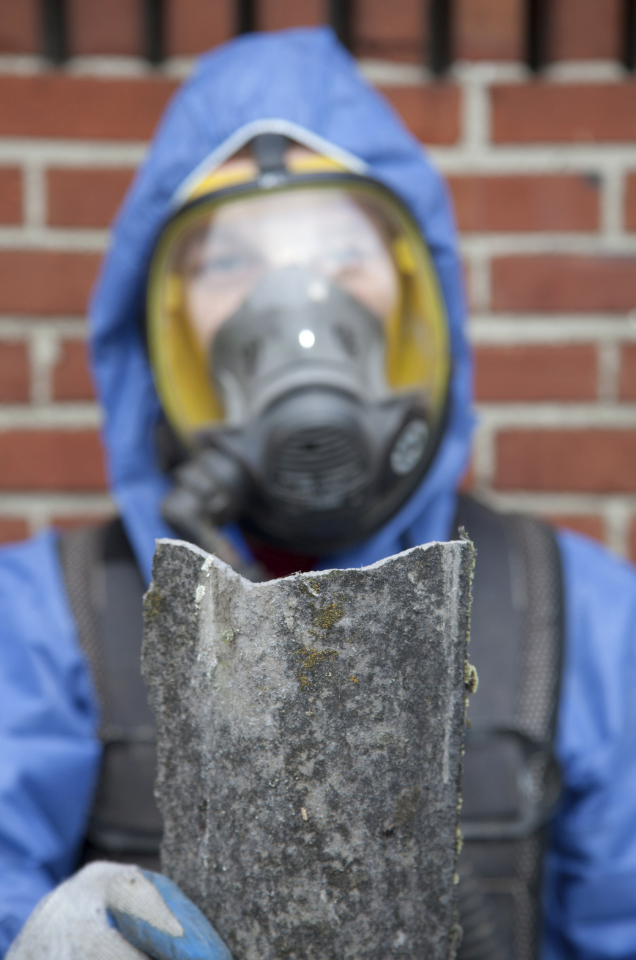
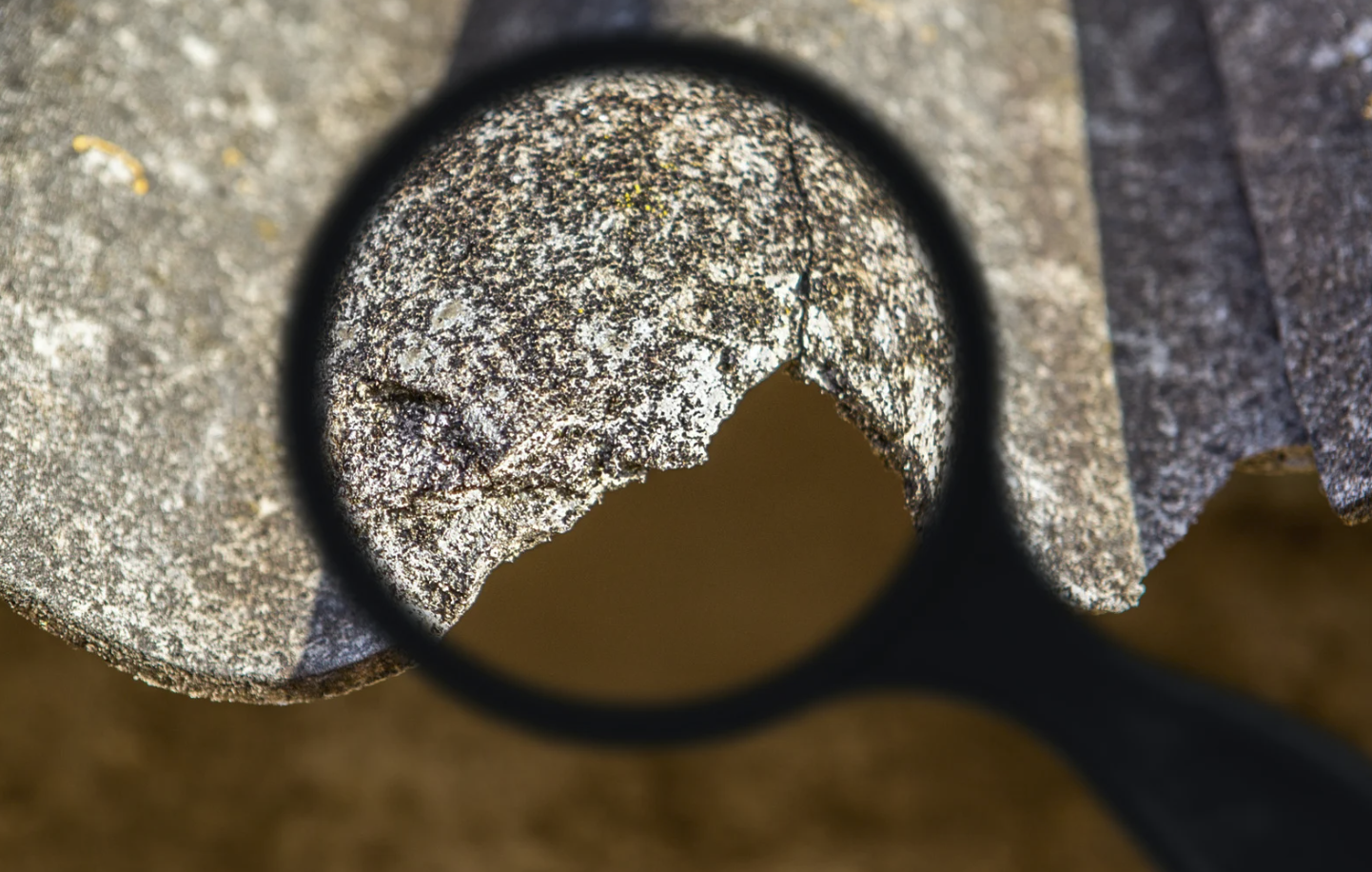
Different scenarios call for different analytical methods. The right method depends on the material, the regulatory framework, and the decision the result will drive.
The standard method for analyzing bulk samples of suspect asbestos-containing materials. PLM identifies asbestos type (chrysotile, amosite, crocidolite, etc.) and estimates concentration as a percentage range. EPA method for most bulk material scenarios.
A more sensitive PLM variant used when initial results are near the regulatory threshold (below 1 percent). Point counting produces a more precise percentage estimate in the critical range.
The standard method for analyzing bulk samples of suspect asbestos-containing materials. PLM identifies asbestos type (chrysotile, amosite, crocidolite, etc.) and estimates concentration as a percentage range. EPA method for most bulk material scenarios.
A more sensitive PLM variant used when initial results are near the regulatory threshold (below 1 percent). Point counting produces a more precise percentage estimate in the critical range.
Before cutting, sanding, or demolishing any material in a pre-1980 building, representative samples of suspect materials should be tested. A negative result means the material can be disturbed without asbestos-specific steps; a positive result means a licensed abatement contractor is needed for the asbestos-containing materials in the work area.c
Washington State regulations require a pre-demolition asbestos survey that includes sampling and analysis of suspect materials. The lab results support the demolition notification filed with the WA Department of Labor and Industries.
A broken floor tile, a damaged pipe wrap, a renovation started without inspection: testing confirms what the disturbed material contains and informs the cleanup and documentation steps that follow.
Buyers of pre-1980 properties often scope targeted testing of specific suspect materials during the inspection contingency. A positive result for material in the work area of a planned renovation is a material consideration; a negative result is documentation that protects the buyer.
After a licensed abatement contractor completes asbestos abatement, third-party air sampling verifies that airborne fiber levels meet clearance criteria. Clearance testing should be performed by a party not holding the abatement contract.
A homeowner who has lived in a pre-1980 house for years and wants documented knowledge about a specific material (a popcorn ceiling, a 9x9 tile floor, pipe wrap in the basement): testing produces the answer without requiring a larger inspection scope.
Asbestos inspection is the visual survey of suspect asbestos-containing materials throughout a building. Asbestos testing is the laboratory analysis of samples collected during or after that inspection.
Most pre-renovation and pre-demolition scenarios require both: the inspection to identify suspect materials and determine sampling scope, and the testing to confirm whether those materials contain asbestos and at what concentration. Testing without an inspection is possible when the material and location are already identified (a specific suspect tile, a known pipe wrap) and the question is narrow.
See our Asbestos Inspection service page for scope and regulatory context.
Lab results are only as defensible as the samples they come from. Both of our inspectors hold EPA AHERA Certified Asbestos Building Inspector credentials. Samples collected by credentialed personnel following accepted protocols and documented chain of custody produce results that hold up in front of a regulator, a lender, an insurer, or opposing counsel.
Samples go to laboratories accredited by the National Voluntary Laboratory Accreditation Program (NVLAP) for bulk asbestos analysis and by the American Industrial Hygiene Association (AIHA) for air sample analysis. Accreditation is the difference between a credible lab result and a lab result a regulator can dismiss.
We perform inspection and testing only. We do not hold abatement contracts. That separation is what makes our testing data defensible in regulated scenarios; a firm that also bids on abatement has an incentive to produce findings that support the follow-on work.
The written report includes sample location, chain of custody, laboratory results, regulatory context (NESHAP and WA L&I thresholds), and a plain-language interpretation of what the data mean. Formatted to be shared directly with the WA Department of Labor and Industries, a lender, an insurer, an attorney, or a licensed abatement contractor.
Predictable. Transparent. Designed for people making decisions with real money on the line.
"You cannot tell by looking whether a material contains asbestos. Only lab analysis confirms or rules it out."
Plain-language answers to what property owners, buyers, and stakeholders ask most often before scheduling a asbestos testing.
Call a credentialed scientist directly. No call center, no sales pressure.