
Credentialed. Independent. Inspection & Testing Only.

Email Us

enviroscientist1@gmail.com

Call us

(509) 202-6919

Mold Inspection

Inspection Only · No Remediation

Mold Inspection in Spokane, WA

Musty smell in the basement, visible discoloration on a ceiling, a water leak that got fixed but never got followed up, a pre-purchase concern about a house with a history of moisture problems. A mold inspection answers the questions you cannot answer by looking. Enviro Consulting Services provides independent mold inspection in Spokane, WA by a Certified Mold Inspector using non-destructive visual and moisture-based methods.

Inspection and testing only. If the inspection finds active mold growth that requires corrective work, you hire a separately retained, licensed remediation contractor for that scope. That separation keeps our findings independent.

25+

Years
Combined

Certified Mold Inspector

Credential on staff for formal mold assessment methodology.

Non-Destructive

Visual and moisture-based methodology. No cutting walls.

Independent

From remediation contractors. Findings stay unbiased.

Written Report

Photographs, moisture readings, and recommended next steps.

Accredited Lab Partnerships

For companion mold testing when required.

Inland Northwest Service Area

Spokane, WA and surrounding communities.

What's Inspected

Visual, Moisture-Based, Non-Destructive Mold Inspection

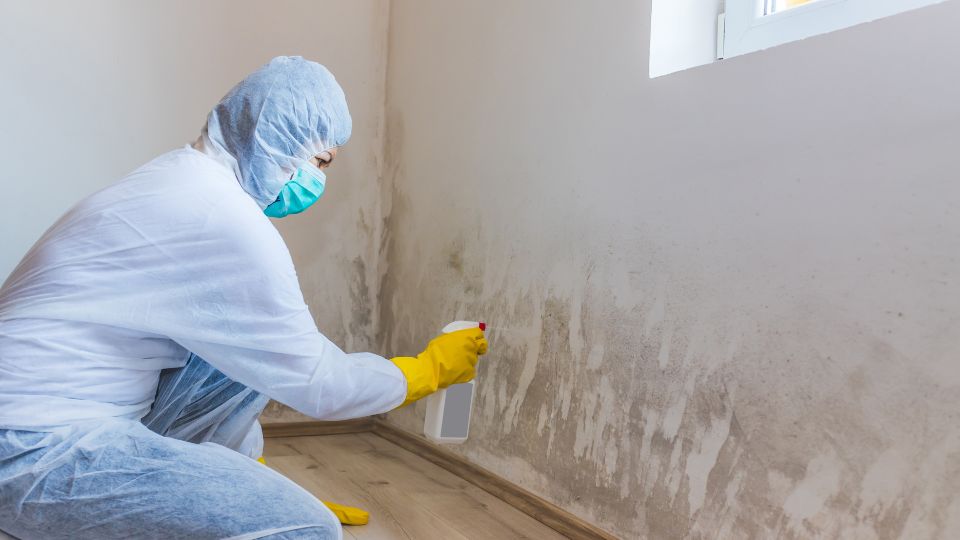
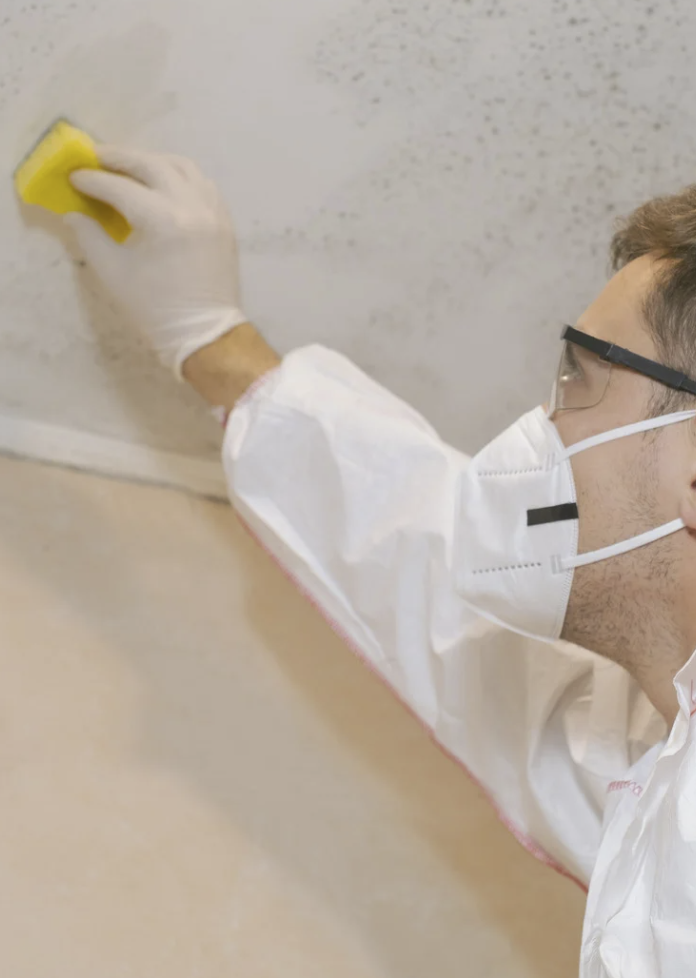
A mold inspection is a visual and moisture-based evaluation of the parts of the home you can safely see and access. We do not cut open walls, pull carpet, or tear out finishes. We look, measure, photograph, and document.

01

Visible Mold Growth

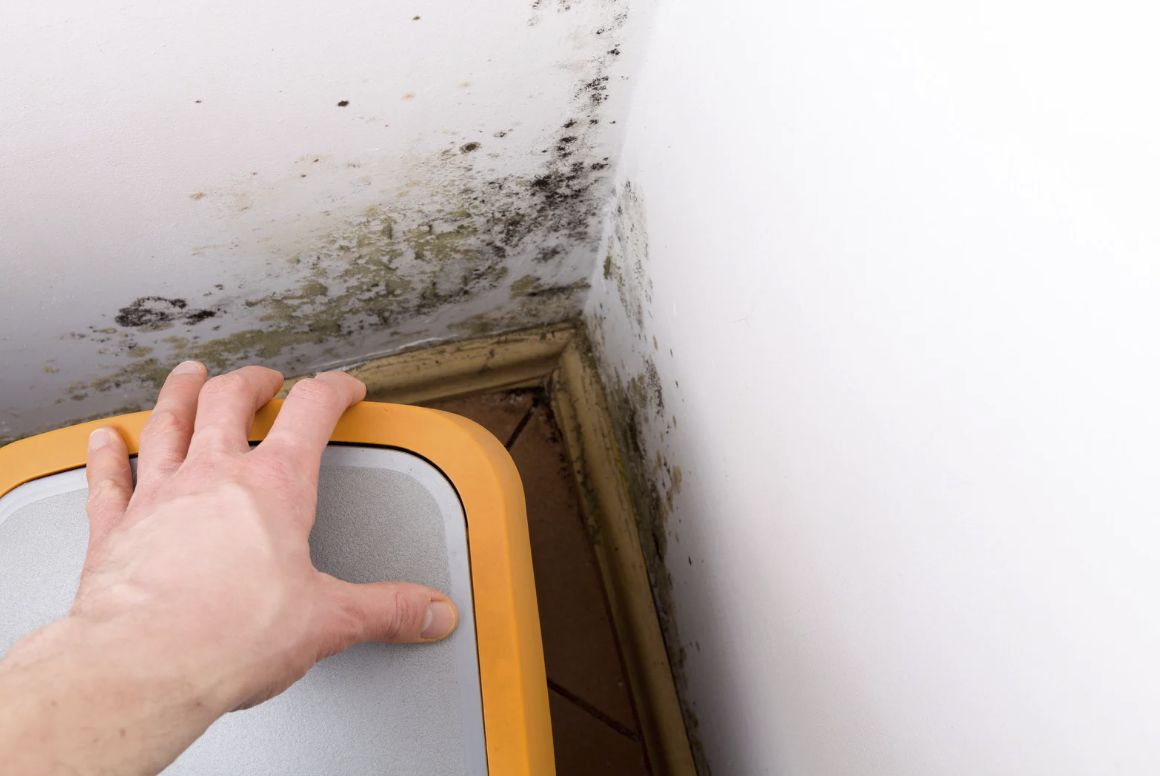
Active or dormant mold growth on accessible surfaces: walls, ceilings, floors, HVAC components, under-sink cabinets, window frames, basements, and crawl spaces. We photograph and document extent and location.

02

Moisture Intrusion

Records review, site reconnaissance, interviews, and a written report per ASTM E1527-21, followed by intrusive sampling under E1903 when a Phase Two investigation is triggered.

03

HVAC and Ventilation

Records review, site reconnaissance, interviews, and a written report per ASTM E1527-21, followed by intrusive sampling under E1903 when a Phase Two investigation is triggered.

04

Mold Inspection and Testing

Non-destructive visual and moisture-based inspection, plus accredited laboratory testing of air and surface samples. Inspection and testing only; physical follow-up work is handled by a separately retained licensed contractor.

05

Attics

Roof leaks, poor ventilation, and condensation show up in attics first. We check insulation condition, venting, and sheathing where safely accessible.

06

Kitchens, Bathrooms, Laundry Rooms

Soil sample collection and analysis to identify contaminants, evaluate suitability for development, or support environmental due diligence.

At a Glance

How This Differs From Mold Testing

Mold inspection is a visual and moisture-based evaluation. Mold testing is laboratory analysis of air and surface samples collected during an inspection. They complement each other. Inspection finds suspect areas and confirms visible growth; testing identifies the species and the concentration.

Sometimes an inspection is enough. When there is visible mold in an obvious location caused by an obvious source (a known leak, a poorly ventilated bathroom), testing does not add information that changes what you do next. Other times, testing is necessary: when the source is unclear, when a buyer or insurer needs documented species and concentration data, or when you want to establish a baseline that can be compared to a post-work re-test performed by a third party.

We offer both as distinct services. See our Mold Testing service page or read Mold Inspection vs. Mold Testing: What's the Difference? for a deeper comparison.

Why Enviro Consulting Services

Independent Inspection. Science-Backed Reports.

01

Certified Mold Inspector

Farren I. Hauck, our Owner and President, is a Certified Mold Inspector with formal training in mold assessment methodology. That credential matters because mold inspection is a discipline with specific standards, not a generic home inspection task.

02

Inspection and Testing, Not Remediation Work

We perform inspection and lab-backed testing. When the report identifies active mold growth that requires corrective work, you engage a separately retained, licensed remediation contractor for that scope. Keeping inspection separate from the work that follows keeps our findings unbiased.

03

Non-Destructive Methodology

We do not cut open walls or pull out materials. Our methodology is visual inspection plus moisture meters plus, if warranted, air and surface sampling. That keeps your home intact during the inspection.

04

Clear Written Report

Every inspection ends with a written report that includes findings, moisture readings, photographs, and recommended next steps. The report is formatted to be shared with an insurance carrier, a real estate agent, a remediation contractor, or a property manager.

Our Process

From First Call to Final Report

Predictable, transparent, and designed for people trying to make a decision with real money on the line.

1

Scoping Call

We talk through your situation, the property, and the timeline. Flat quote and realistic schedule before anything is booked.
2

On-Site Inspection

A Certified Mold Inspector walks the property, uses calibrated moisture meters on suspect areas, documents findings with photographs, and notes the conditions that support or rule out active mold growth.
3

Optional Sampling

If the scope includes testing, air samples (for airborne spore concentration) and surface samples (for species identification on visible growth) are collected following accepted protocols with documented chain of custody.
4

Laboratory Analysis

If samples were collected, they go to an accredited lab for analysis. Standard turnaround is three to five business days.
5

Written Report Delivery

You receive a written report with findings, moisture readings, photographs, lab results where applicable, and recommended next steps. The report is structured to be shared with a licensed remediation contractor, an insurance adjuster, a real estate agent, or a property manager.

6

Follow-Up Support

If a remediation contractor, an insurer, or a real estate agent has questions about something we documented, we respond.

Mold Inspection in Spokane, WA: What Owners Should Know

When a Mold Inspection Makes Sense

Environmental consulting in Spokane, WA and the broader Inland Northwest is shaped by a stack of federal, Washington state, and local requirements. Federal rules governed by the EPA cover things like asbestos (AHERA, NESHAP), lead-based paint (RRP), and the Comprehensive Environmental Response, Compensation, and Liability Act (CERCLA) due diligence framework that underpins Phase One Environmental Site Assessments. Washington state adds its own layer through the Department of Ecology, the Department of Labor and Industries, and the Department of Health, each with jurisdiction over different environmental scopes.

What Triggers an Environmental Consulting Engagement

Common triggers include a commercial property transaction that requires CERCLA All Appropriate Inquiry due diligence, a renovation or demolition project at a pre-1980 structure that requires an asbestos survey under Washington State Department of Labor and Industries rules, a development site that requires soil and groundwater characterization before permits will issue, a residential transaction where the buyer wants independent second-opinion inspection on an older home, and a concern at a property (musty odor, visible suspect material, water quality complaint) that warrants targeted testing.

How Scope Is Built

Scope is built from the trigger, not from a menu. We start with a conversation about what the property is, what you are trying to do with it, and what other parties (lenders, regulators, buyers, contractors) are going to read the report. From there, we build a scope that addresses the actual question without padding it with unnecessary work.

What a Report Looks Like

Reports are written documents, not slide decks. For a Phase One ESA, the report follows ASTM E1527-21 format. For an asbestos inspection, the report identifies suspect materials, sample locations, lab results, and management recommendations. For a mold inspection, the report documents moisture readings, suspect areas, and recommended next steps including whether additional lab testing is appropriate. Every report is designed to be handed to a contractor, a lender, or a regulator without translation.


25+

Years Combined Experience

Credentialed. Independent. Defensible.

"Mold growth requires moisture. Every mold inspection is, at its core, a moisture inspection."

FAQ

Frequently Asked Questions

Plain-language answers to what property owners, buyers, and stakeholders ask most often before scheduling a mold inspection.

Have a question we did not cover?

Call a credentialed scientist directly. No call center, no sales pressure.

(509) 202-6919

No. Enviro Consulting Services provides inspection and testing only. We do not perform mold removal, remediation, abatement, or cleanup. If our inspection identifies active mold growth that warrants physical work, we recommend you engage a separately retained, licensed remediation contractor. Our written report is formatted so that contractor can scope the work accurately, and we are happy to point you toward reputable firms in Spokane, WA. Keeping inspection separate from remediation is deliberate: it means our findings are not shaped by the prospect of a larger job on the back end.

It depends on the situation. A visible-growth, known-source case (an active leak, a poorly ventilated bathroom) often only needs an inspection. A buyer’s-concern, source-unclear, or insurance-involved case often benefits from both. A third-party post-work verification scenario typically needs testing. The first phone call is the right place to sort this out.

Moisture readings are context-dependent. A drywall reading above about 16 percent is typically flagged as elevated. Wood framing in a basement cavity at 20 percent is a concern. We document the readings and explain what they mean in the report; we do not guess.
Typically 1-3 hours on site, depending on the size and accessibility of the property. A 1,200-square-foot home with a dry basement takes less time than a 3,500-square-foot home with a finished basement, multiple bathrooms, and a history of water intrusion.

That happens frequently and that is a good outcome. The report documents the inspection, the moisture readings, and the conditions observed. You get a written record that can be shared with a buyer, an insurer, or an attorney as evidence that the property was evaluated by a Certified Mold Inspector and no active growth was found at the time of inspection.

Yes, and most homeowners do. A walk-through at the end of the inspection gives you the chance to see the findings in context and ask questions.

Related Services

Often Bundled With Mold Inspection