Standard lab turnaround is three to five business days. Rush turnaround is available for transaction-sensitive scopes (closing windows, active insurance claims, legal deadlines); ask during the scoping call.

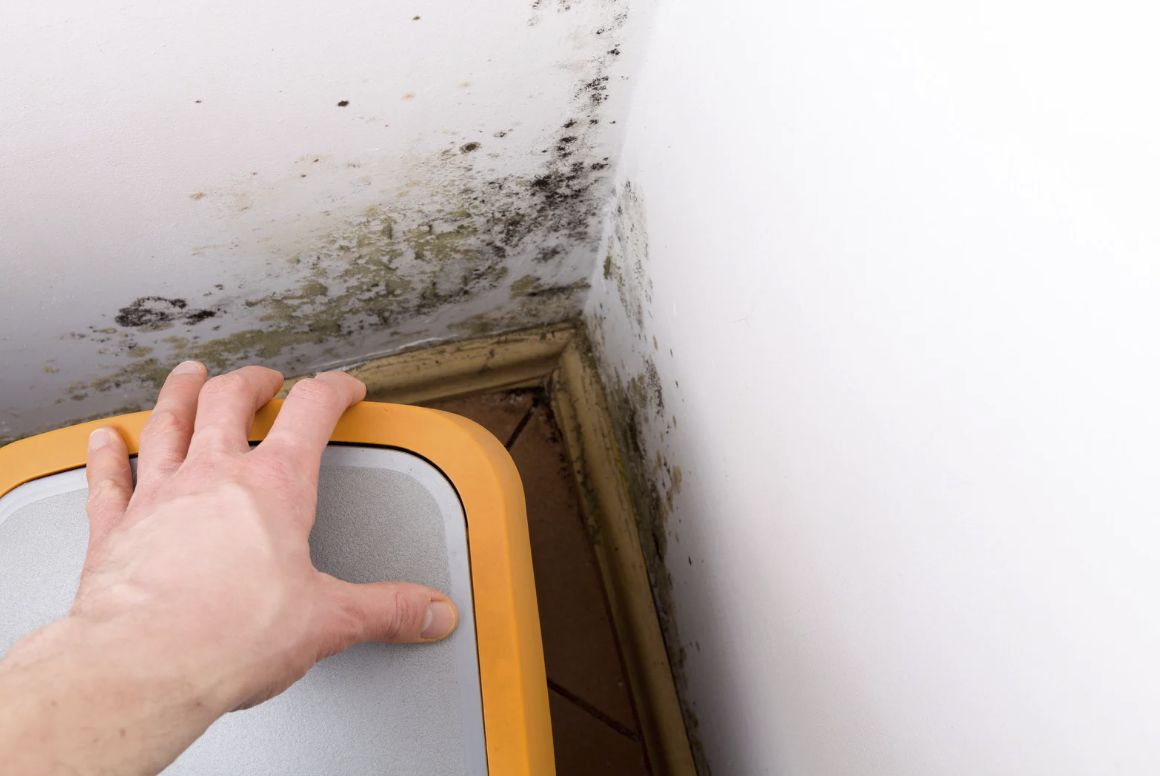
Mold testing answers the question a visual inspection cannot: what species, at what concentration, and compared to what baseline. Enviro Consulting Services provides mold testing in Spokane, WA with samples collected by a Certified Mold Inspector and analyzed by accredited laboratories. You receive a written report with lab results, interpretation, and recommended next steps.
Testing only. We do not perform mold removal, remediation, abatement, or cleanup. Keeping sampling and analysis independent from the remediation work that may follow keeps the report defensible for insurance, legal, and real estate scenarios.
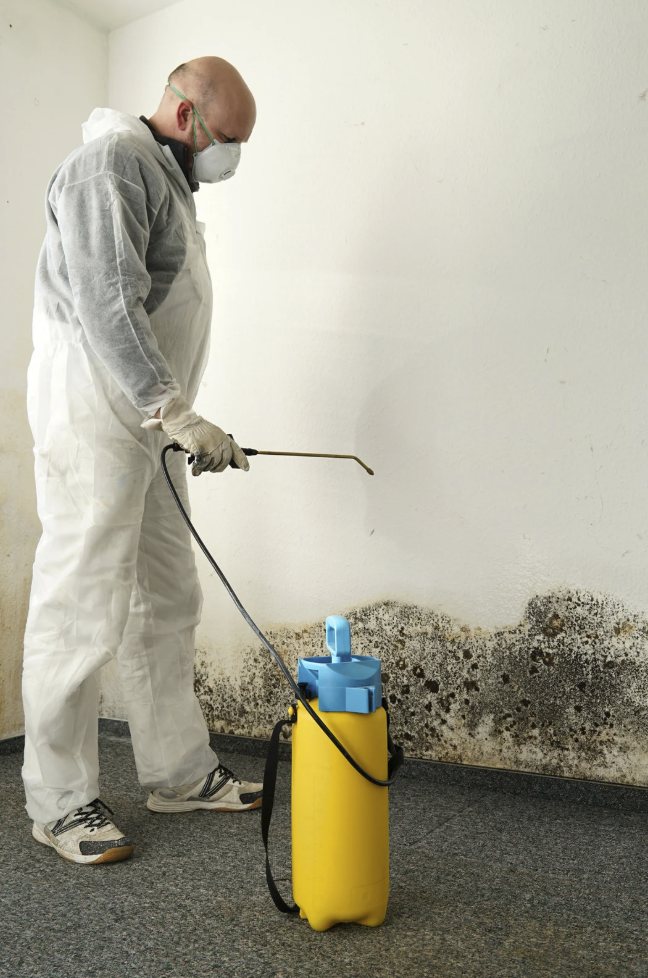

Different questions require different sample types. We scope the right test for the situation in the first phone call.
An air pump pulls a measured volume of air through a spore trap cassette. The lab identifies and counts spores by genus. Indoor samples are compared to an outdoor control collected the same day. Air samples answer the question: is there elevated airborne mold activity inside?
Swabs or tape-lift samples collected from visible suspect growth. The lab identifies the species. Surface samples answer: what is the thing I can see?
Small pieces of building material (drywall, insulation, wood) sent to the lab when growth is embedded in the material and species or extent matters. Less common than air or surface samples.
Air samples collected after a licensed remediation contractor completes corrective work. Performed by a third party (not the contractor who did the work). Clearance testing answers: did the corrective work achieve its goal?
A flood, burst pipe, or prolonged leak has occurred. The insurer, a buyer, or an occupant wants documented data on whether mold growth has developed, what species, and at what concentration.
Occupants report a persistent musty smell but no visible growth is apparent. Air sampling can indicate whether elevated activity is occurring somewhere not yet found.
An occupant reports persistent allergic-type symptoms (cough, sinus congestion, eye irritation) that improve when they leave the property. Air sampling produces data to rule mold in or out as a possible contributor.
A buyer's agent or a lender requires documented species and concentration data. The pre-purchase scenario often benefits from both inspection and testing.
Lawsuits, insurance claims, and regulatory situations often require lab-backed data rather than a visual opinion. Testing produces documented evidence with chain of custody.
After a licensed remediation contractor has completed corrective work, clearance testing by an independent third party verifies that airborne spore levels have returned to normal compared with the outdoor baseline.
Mold inspection is a visual and moisture-based walkthrough. Mold testing is laboratory analysis of air and surface samples. They complement each other.
Testing without inspection is possible but is less common. It works when the specific question is clearly defined (post-work clearance, insurance-required documentation at a known location). When the question is broader (is there a mold problem in this home?), starting with an inspection is typically the right call because it scopes the right testing for the actual situation.
See our Mold Inspection service page or read Mold Inspection vs. Mold Testing: What's the Difference?.
Lab results are only as good as the samples they come from. Farren I. Hauck, our Owner and President, is a Certified Mold Inspector with formal training in sample collection protocols. Samples collected by credentialed personnel with documented chain of custody produce defensible data; samples collected casually do not.
Samples go to laboratories accredited by the American Industrial Hygiene Association (AIHA). Accreditation matters because it is the difference between a defensible lab result and a result that a regulator or opposing counsel can dismiss.
We perform testing only. We do not perform mold removal, remediation, or cleanup. That separation is what makes clearance testing and due-diligence testing credible; there is no incentive to produce a specific result.
The report includes sample locations, chain of custody, lab results, and a plain-language interpretation of what the data mean. Formatted to be shared with insurers, attorneys, real estate agents, or regulators without translation.
Predictable, transparent, and designed for people trying to make a decision with real money on the line.
"Testing produces data that a visual inspection alone cannot: species, concentration, and comparisons to a baseline."
Plain-language answers to what property owners, buyers, and stakeholders ask most often before scheduling a environmental consulting.
Call a credentialed scientist directly. No call center, no sales pressure.