

A commercial transaction, a land development project, a lender requirement, a CERCLA landowner liability question. Each of these brings buyers, sellers, and counsel to the phone for Phase One or Phase Two Environmental Site Assessment work. Enviro Consulting Services provides Phase One ESAs to ASTM E1527-21 All Appropriate Inquiry (AAI) standard and Phase Two subsurface investigations to ASTM E1903, led by a Geologist and Aqueous Geochemist with 30+ years of field and laboratory experience.
Assessment and reporting only. If Phase Two identifies contamination requiring cleanup, that scope goes to a separately retained environmental contractor. Keeping assessment independent from cleanup is what makes the data defensible in regulated and transactional scenarios.

Six reasons environmental inspection and testing work lands with Enviro Consulting Services across the Inland Northwest.
A Phase One Environmental Site Assessment documents the environmental history and current conditions of a property to identify Recognized Environmental Conditions (RECs) under CERCLA. It is the standard due diligence scope for commercial real estate transactions and lender requirements.
Review of federal, state, tribal, and local regulatory databases for the subject property and adjoining properties. Historical sources including aerial photographs, fire insurance maps (Sanborn), city directories, topographic maps, and historical ownership records. The records review documents the property's environmental history and identifies off-site sources of potential concern.
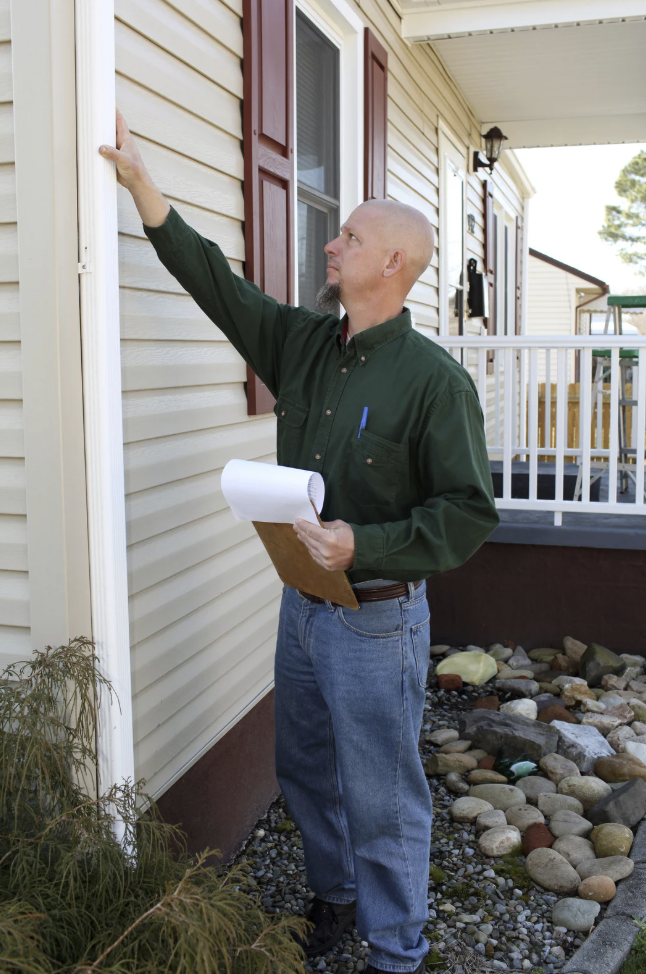
On-site visual inspection of the property and observation of adjoining properties. The Environmental Professional documents current site conditions, evidence of prior uses, storage of chemicals or fuels, stained soils or pavement, and other observable indicators of environmental concern.
Interviews with current and past property owners, operators, and occupants where reasonably ascertainable, plus interviews with the current owner or their representative. Interviews develop information not available in records.
A written Phase One ESA report to the ASTM E1527-21 format, including findings, opinions, conclusions, limitations, and the Environmental Professional's statement regarding Recognized Environmental Conditions. The report supports CERCLA innocent landowner defense and AAI compliance.
A Phase One Environmental Site Assessment documents the environmental history and current conditions of a property to identify Recognized Environmental Conditions (RECs) under CERCLA. It is the standard due diligence scope for commercial real estate transactions and lender requirements.
Based on the Recognized Environmental Conditions identified in Phase One (or on specific concerns), a geologist-designed sampling program targets the media (soil, groundwater, soil vapor) and contaminants of concern. Sample locations and depths are driven by site geology, conceptual site model, and regulatory standards.
Soil sampling via direct-push (Geoprobe) or hollow-stem auger drilling. Groundwater sampling via temporary or permanent monitoring wells. Soil vapor sampling where volatile organic compounds are a concern. Methods are selected based on site conditions and data quality objectives.
Samples are analyzed by an accredited laboratory for the contaminants of concern: petroleum hydrocarbons, volatile and semi-volatile organic compounds, heavy metals, PCBs, pesticides, and emerging contaminants like PFAS where applicable.
A Phase Two ESA report documenting sampling program rationale, field procedures, laboratory results, site conceptual model, and conclusions regarding presence or absence of contamination above regulatory screening levels. Formatted for lenders, buyers, and regulators.
Phase One Triggers: Commercial real estate transactions with lender involvement, industrial or formerly-industrial property transactions, CERCLA innocent landowner or bona fide prospective purchaser defense preservation, properties with known or suspected environmental history, refinancing or new financing on commercial property, and some development projects requiring environmental due diligence.
Phase Two Triggers: Phase One identifies one or more Recognized Environmental Conditions that the buyer, seller, lender, or counsel wants to characterize. Known prior uses (auto service, dry cleaning, manufacturing, fuel storage) that suggest likely subsurface impacts. Regulatory or voluntary cleanup programs requiring site characterization. Lender conditions requiring Phase Two before closing.
Phase One ESAs are performed under the oversight of an Environmental Professional meeting ASTM E1527-21 qualifications. Our Environmental Scientist and Geologist both meet the EP standard. The EP's professional opinion on Recognized Environmental Conditions is the core deliverable of a Phase One, and the qualifications behind that opinion determine whether the report holds up.
Paul VanMiddlesworth holds a B.S. in Geology and an M.S. in Aqueous Geochemistry with 30+ years of field and laboratory experience. Subsurface investigation is a geologist's discipline; the conceptual site model, sampling program design, and data interpretation are the difference between a defensible Phase Two and a Phase Two that a regulator or opposing expert can dismiss.
Both Farren and Paul are EPA AHERA Certified for asbestos inspection and Lead Paint RRP certified. When a Phase One or Phase Two is paired with an asbestos or lead survey on the same building, the same team performs both scopes under one coordinated engagement.
Predictable, transparent, and designed for people trying to make a decision with real money on the line.
"The Spokane Valley-Rathdrum Prairie Aquifer is a federally designated Sole Source Aquifer. Subsurface scrutiny is higher here than in most markets."
Plain-language answers to what property owners, buyers, and stakeholders ask most often before scheduling a phase i & ii esa.
Call a credentialed scientist directly. No call center, no sales pressure.
Our work spans residential, commercial, and development projects. Each audience has a different reason for calling, and each gets the same credentialed inspection and the same clear written report.