
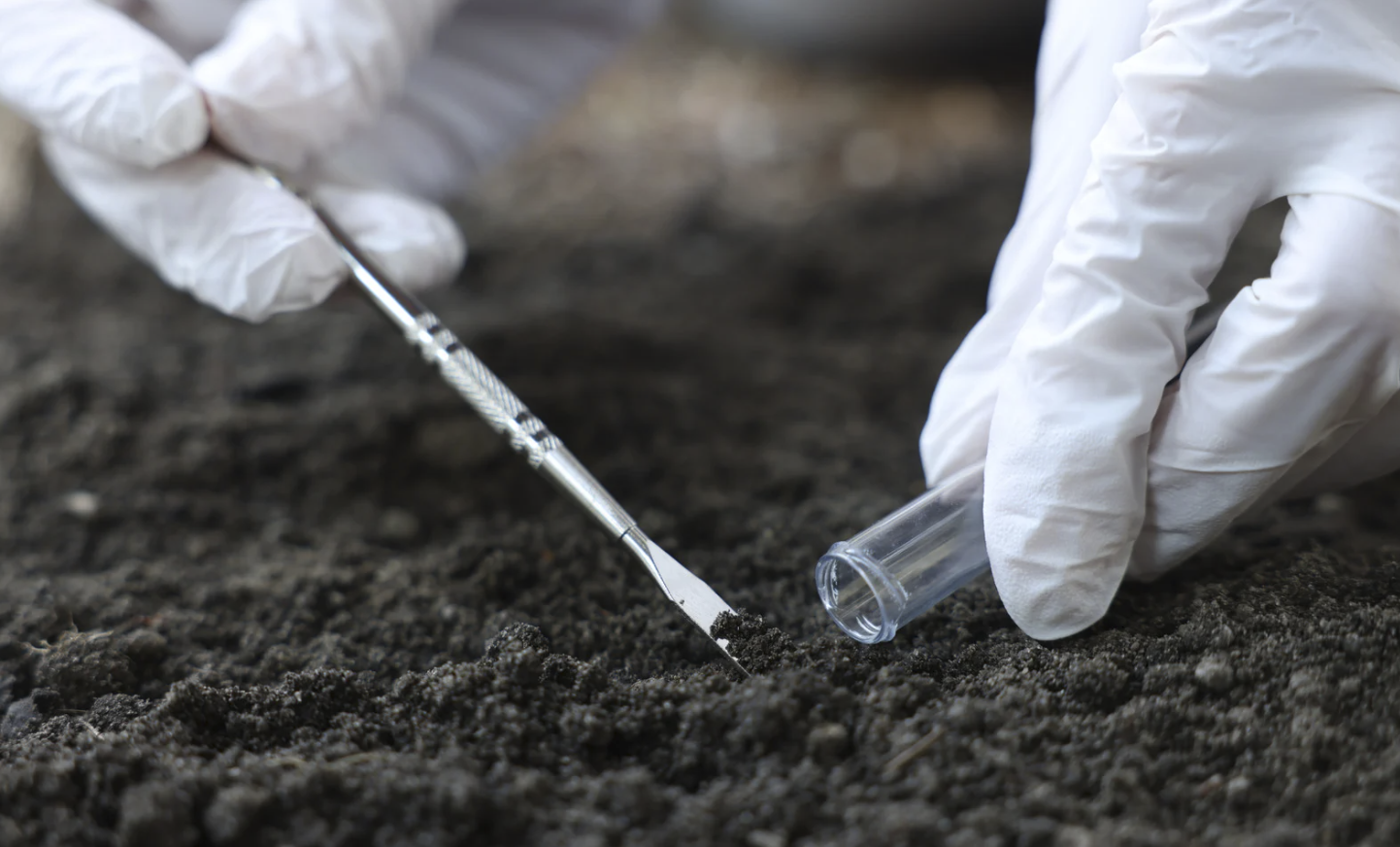
A development project breaking ground on a former industrial parcel. A Phase Two investigation after a Phase One identified a Recognized Environmental Condition. A known spill or release requiring assessment. A property with a history of heavy agricultural use. These are the situations that bring owners, developers, lenders, and environmental counsel to soil inspection. Enviro Consulting Services provides soil inspection in Spokane, WA under the oversight of a Geologist and Aqueous Geochemist.
Assessment and reporting only. When contamination is identified, cleanup goes to a separately retained environmental contractor. Keeping assessment independent from cleanup is what makes the data defensible in regulatory and transactional scenarios.

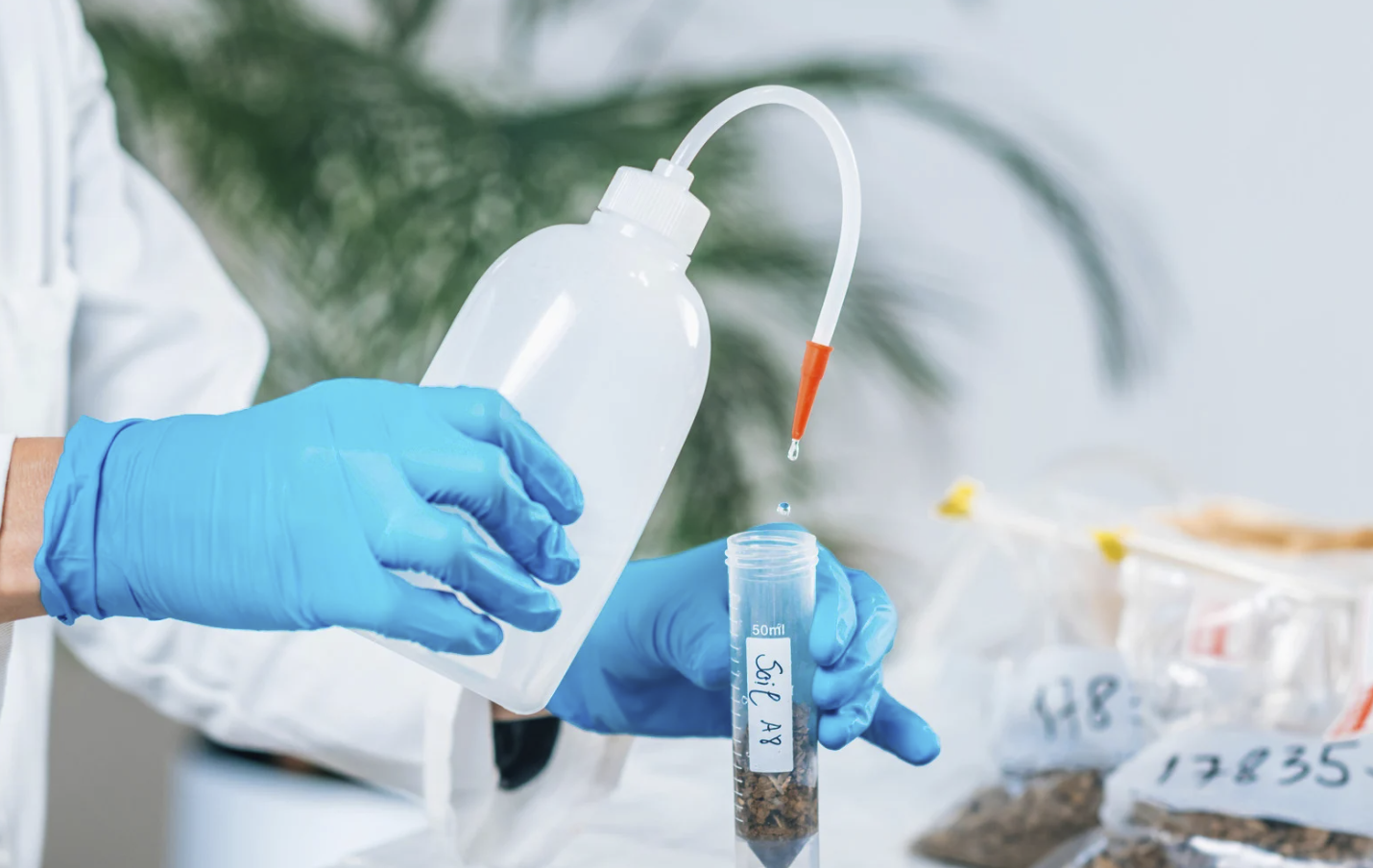
Soil inspection scopes vary by trigger. The scope, sampling plan, and analytical suite are built from the situation rather than from a template.
Pre-construction soil investigation on development sites, particularly parcels with prior industrial, commercial, or agricultural use. Soil data informs foundation design, excavation planning, and compliance with disposal regulations for any soils that must be hauled off site.
Phase Two investigations that include soil sampling, triggered by Recognized Environmental Conditions identified during Phase One ESA work. Soil data characterizes whether contamination is present, where, and at what concentration.
Following a known release (fuel spill, chemical release, underground storage tank leak), soil sampling defines the extent of impact. Data supports regulatory reporting and informs cleanup scope.
Properties with histories of dry cleaning, auto service, fuel storage, manufacturing, or intensive agricultural use have elevated likelihood of legacy contamination. Soil sampling identifies what is present so the buyer, lender, or developer knows what they are dealing with.
Washington Department of Ecology cleanup program participation, voluntary cleanup programs, and MTCA (Model Toxics Control Act) compliance scopes often require defined soil sampling protocols and data quality objectives.
Pre-purchase soil testing on rural properties, properties near known historical releases, or situations where the buyer specifically wants documented soil data.
Soil inspection scopes vary by trigger. The scope, sampling plan, and analytical suite are built from the situation rather than from a template.
Total Petroleum Hydrocarbons (TPH) as gasoline, diesel, and oil ranges. Common contaminant class on sites with historical fuel storage, fueling operations, or auto service.
Lead, arsenic, cadmium, chromium, mercury, and other RCRA and site-specific metals. Common on former industrial sites, properties near historical smelters, and sites with certain agricultural histories.
Organochlorine, organophosphate, and carbamate pesticides; chlorophenoxy and other herbicides. Relevant on properties with historical orchard, crop, or intensive landscaping use.
Volatile Organic Compounds (VOCs) including common dry cleaning and degreasing solvents (TCE, PCE, and breakdown products). Semi-volatile Organic Compounds (SVOCs) where applicable.
Emerging contaminant class subject to increasing regulatory focus. Relevant on sites with historical firefighting foam use, certain industrial processes, or proximity to airports and military installations.
Where the scope calls for it, physical characterization including grain size distribution, compaction, and permeability. Relevant for development planning and for informing groundwater pathway analysis.
Subsurface investigation is a geologist's discipline. Paul VanMiddlesworth holds a B.S. in Geology and an M.S. in Aqueous Geochemistry with 30+ years of field and lab experience. The conceptual site model, the sampling program design, and the interpretation of results are what separates defensible soil data from a report a regulator or opposing expert can dismiss.
Both principals are 40-Hour HAZWOPER certified, which is the regulatory prerequisite for fieldwork on sites with known or suspected contamination. That training matters not just for worker protection but for the credibility of the data collected from the site.
We perform assessment, sampling, and testing only. We do not perform soil remediation, excavation, disposal, or cleanup. That separation is what makes our soil data defensible in regulated scenarios; a firm that also bids on the cleanup work has an incentive to produce findings that support the follow-on scope.
Samples go to accredited environmental laboratories with method-specific certifications for the analytical suites we run. Accreditation is the difference between a defensible result and a result opposing counsel or a regulator can challenge.
The written report includes sampling rationale, field methods, chain of custody, laboratory results in context of applicable screening levels (MTCA, federal RSLs), and a conceptual interpretation. Formatted to be shared directly with Washington Department of Ecology, a lender, a buyer's counsel, or an environmental contractor.
Predictable. Transparent. Designed for people making decisions with real money on the line.
"A number on a lab report is meaningless without the sampling rationale, the conceptual site model, and the regulatory framework to compare against."
Plain-language answers to what property owners, buyers, and stakeholders ask most often before scheduling a environmental consulting.
Call a credentialed scientist directly. No call center, no sales pressure.
Our work spans residential, commercial, and development projects. Each audience has a different reason for calling, and each gets the same credentialed inspection and the same clear written report.