
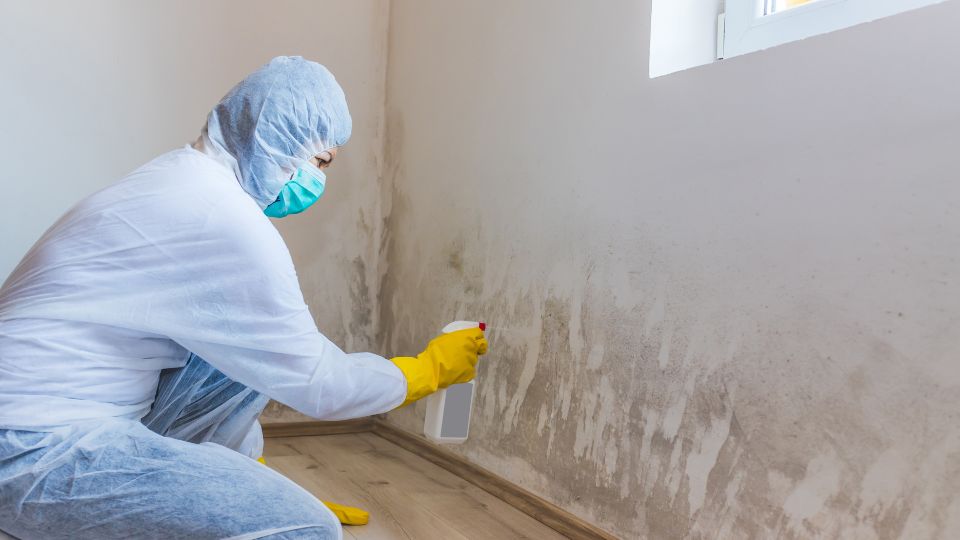
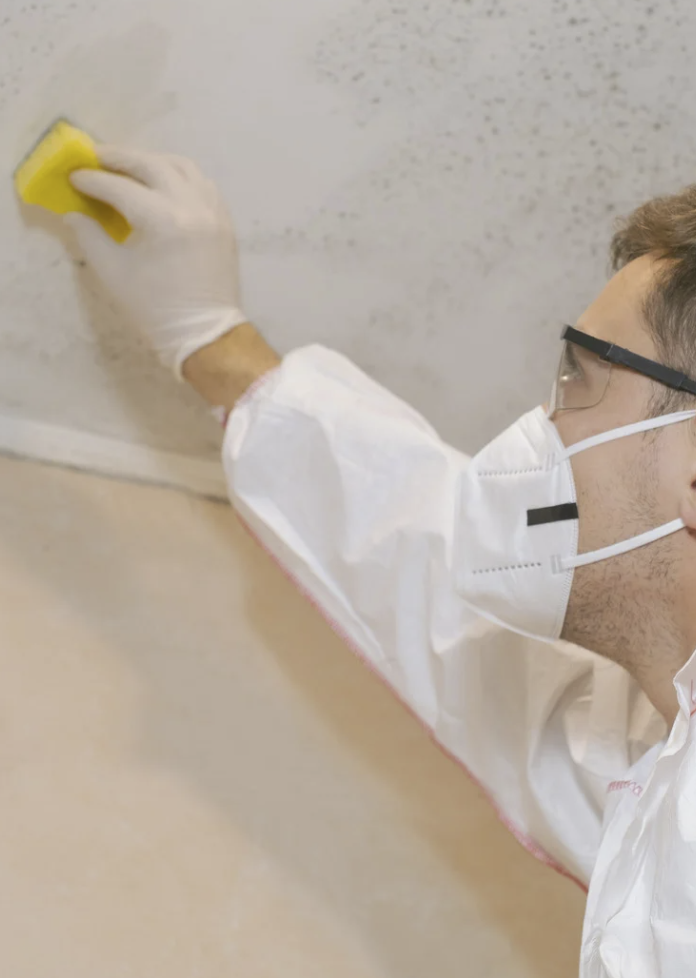
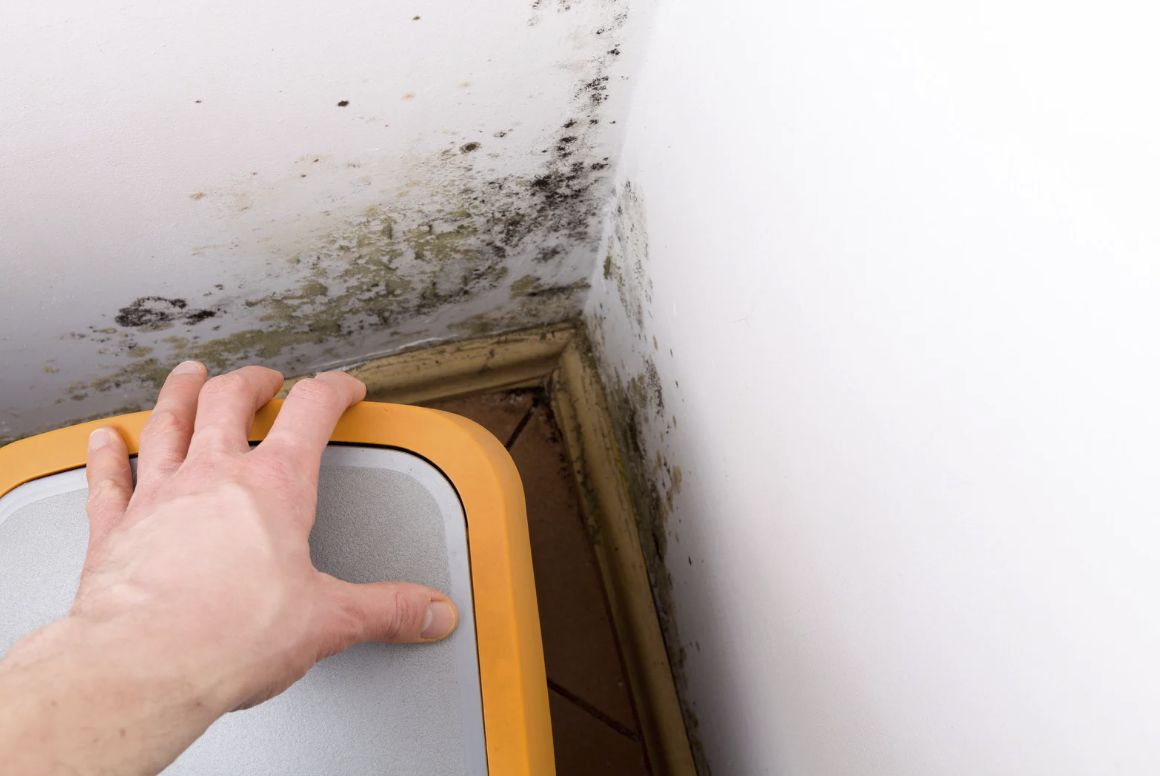
A mold inspection is a visual and moisture-based evaluation of the parts of the home you can safely see and access. We do not cut open walls, pull carpet, or tear out finishes. We look, measure, photograph, and document.
Active or dormant mold growth on accessible surfaces: walls, ceilings, floors, HVAC components, under-sink cabinets, window frames, basements, and crawl spaces. We photograph and document extent and location.
Records review, site reconnaissance, interviews, and a written report per ASTM E1527-21, followed by intrusive sampling under E1903 when a Phase Two investigation is triggered.
Records review, site reconnaissance, interviews, and a written report per ASTM E1527-21, followed by intrusive sampling under E1903 when a Phase Two investigation is triggered.
Non-destructive visual and moisture-based inspection, plus accredited laboratory testing of air and surface samples. Inspection and testing only; physical follow-up work is handled by a separately retained licensed contractor.
Roof leaks, poor ventilation, and condensation show up in attics first. We check insulation condition, venting, and sheathing where safely accessible.
Soil sample collection and analysis to identify contaminants, evaluate suitability for development, or support environmental due diligence.
Farren I. Hauck, our Owner and President, is a Certified Mold Inspector with formal training in mold assessment methodology. That credential matters because mold inspection is a discipline with specific standards, not a generic home inspection task.
We perform inspection and lab-backed testing. When the report identifies active mold growth that requires corrective work, you engage a separately retained, licensed remediation contractor for that scope. Keeping inspection separate from the work that follows keeps our findings unbiased.
We do not cut open walls or pull out materials. Our methodology is visual inspection plus moisture meters plus, if warranted, air and surface sampling. That keeps your home intact during the inspection.
Every inspection ends with a written report that includes findings, moisture readings, photographs, and recommended next steps. The report is formatted to be shared with an insurance carrier, a real estate agent, a remediation contractor, or a property manager.
Predictable, transparent, and designed for people trying to make a decision with real money on the line.
"Mold growth requires moisture. Every mold inspection is, at its core, a moisture inspection."
Plain-language answers to what property owners, buyers, and stakeholders ask most often before scheduling a mold inspection.
Call a credentialed scientist directly. No call center, no sales pressure.